

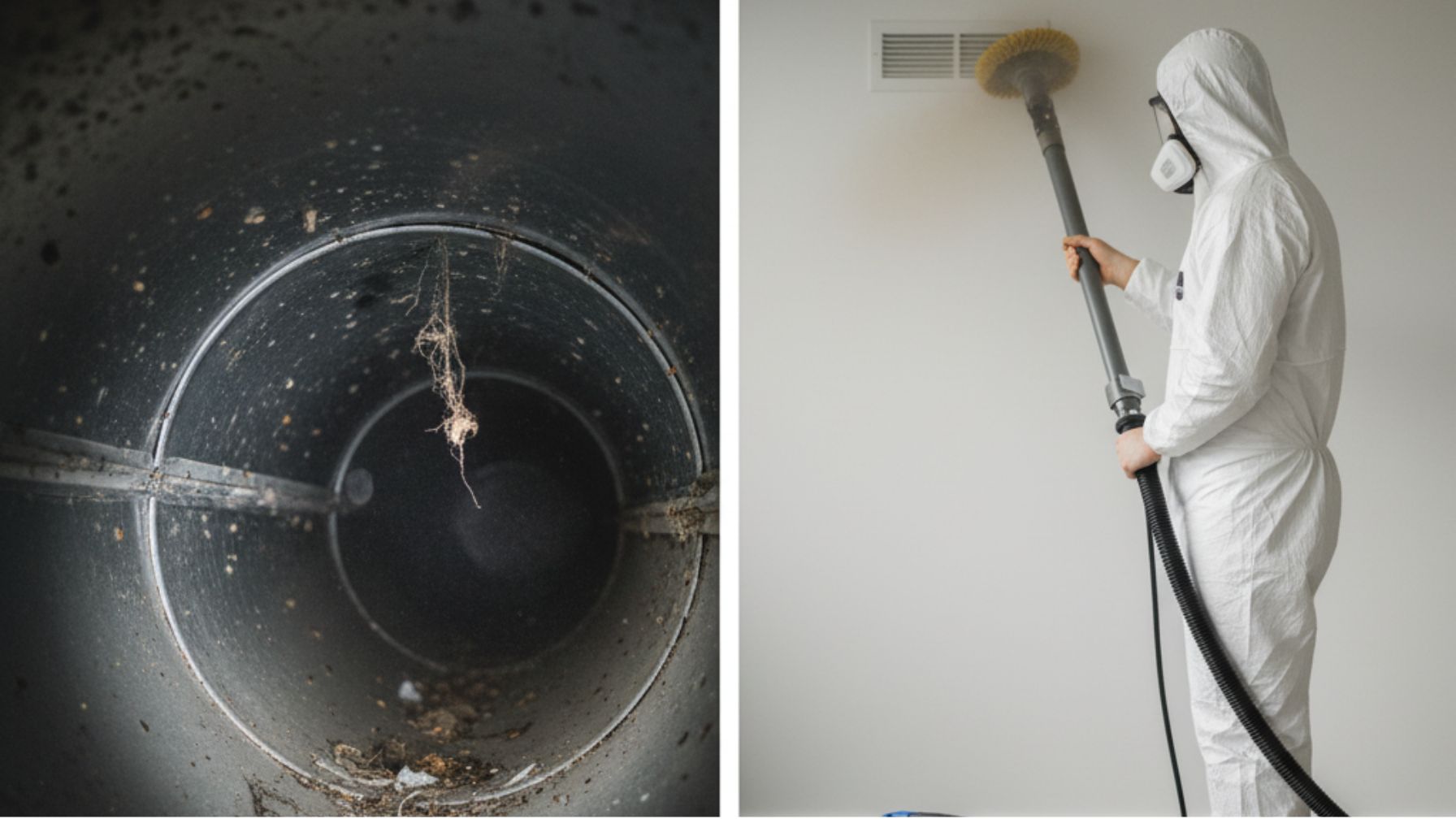
Many homeowners rarely think about the network of air ducts running silently behind their walls and ceilings. These hidden channels move air throughout homes, keeping spaces comfortable during scorching summers and chilly winters. But beneath their practical purpose, air ducts can sometimes host something far less welcome. Contamination and mold can infiltrate these systems quietly, creating complications that go beyond the usual concerns about allergies or respiratory problems. Understanding how these invisible invaders operate is crucial for maintaining not only a cleaner home but also a healthier indoor environment in a broader sense.
What Happens Inside Your Air Ducts?
Air ducts are meant to move air efficiently, but their structure and function can make them a prime environment for contamination. Over time, dust, debris, and other particles accumulate along the walls of ducts. Moisture from condensation, leaks, or high indoor humidity can create the perfect conditions for mold spores to settle and grow. Unlike other parts of a house that are visible and regularly cleaned, air ducts often escape notice until the problem becomes serious.
Mold in air ducts is often invisible, hiding in bends, joints, and behind insulation. Even small pockets can release spores into the airflow, which then disperse throughout living spaces. This subtle contamination can leave behind unpleasant odors, cause damage to duct materials, and even compromise the efficiency of your HVAC system. Homeowners might notice these effects indirectly through higher energy bills or unusual sounds from the system.
Beyond Health: Unexpected Consequences of Mold
When discussing air duct mold, the conversation usually focuses on allergies and respiratory issues. However, there are other, often overlooked consequences that affect the comfort, safety, and longevity of your home.
First, there is a structural impact. Over time, persistent mold growth can weaken duct materials, particularly if ducts are made from certain types of fiberboard or insulated with porous materials. Weak ducts may develop leaks, reducing airflow and forcing HVAC systems to work harder, which increases wear and energy costs.
Then there is the effect on furnishings and belongings. Airborne mold spores can settle on carpets, upholstery, and wooden furniture, slowly causing discoloration, staining, and deterioration. Even artwork, books, and fabrics can absorb spores, leaving behind musty smells or subtle damage. The contamination can quietly affect the indoor environment without triggering immediate health alarms.
Even electronics and appliances can feel the impact. Dust and particulate matter circulating through contaminated ducts can accumulate on sensitive surfaces, potentially causing malfunctions or reduced efficiency over time. In essence, mold and contamination in air ducts subtly extend their influence beyond air quality, touching multiple aspects of daily life.
Common Sources of Contamination
Understanding the sources of air duct contamination can help homeowners prevent serious issues. Dust and debris enter the system through regular air circulation, often carrying skin cells, fabric fibers, and outdoor pollutants. Moisture is another major contributor. HVAC systems, particularly in climates with high humidity, can develop condensation inside ducts or near air handlers. Leaks in ductwork, especially in basements or attics, can allow water to seep in, creating ideal conditions for microbial growth.
Mold can also hitch a ride on materials introduced to the system, such as filters that are not changed regularly or new insulation that was stored improperly. Even renovation projects can unknowingly introduce spores into the duct network if dust and moisture are not controlled during construction.
Signs You Might Have an Issue
Because mold in air ducts often grows out of sight, the signs are not always obvious. Some subtle indicators include
- Persistent musty odors, even after cleaning the home
- Dust accumulation that returns quickly after cleaning
- Unexplained condensation or water stains near vents or duct joints
- The HVAC system is behaving inefficiently or producing unusual sounds.
These clues suggest contamination that may require professional evaluation. Acting early can prevent more serious damage and reduce the costs associated with prolonged exposure.
Approaches to Addressing Contamination
Tackling air duct contamination involves a combination of inspection, cleaning, and preventive measures. The first step is a thorough professional assessment. Experts can identify mold pockets, moisture issues, and other contaminants using tools like cameras and specialized testing equipment. Once identified, cleaning can be performed using specialized brushes, vacuums, and antimicrobial treatments designed for duct systems.
It is crucial to address not just the visible mold but also the underlying causes. Fixing leaks, controlling humidity, and maintaining HVAC equipment are key steps to prevent future contamination. Simply cleaning the ducts without addressing moisture issues is rarely sufficient.
Routine Maintenance as a Shield
Preventive care is often the most overlooked defense against duct contamination. Regularly changing air filters, monitoring humidity levels, and inspecting ductwork can reduce the likelihood of mold growth. Some homeowners also choose to have their ducts professionally cleaned on a periodic basis to maintain airflow efficiency and reduce dust accumulation. While these steps may seem minor, they collectively create an environment less hospitable to contamination.
Why Professional Intervention Matters
While DIY cleaning might seem tempting, air duct systems are complex and often require professional expertise. Incomplete cleaning can leave spores behind, allowing the problem to persist or return quickly. Professionals bring specialized equipment and knowledge, ensuring that mold is properly removed and the root causes are addressed. In addition, certified experts can provide guidance on long-term maintenance, helping homeowners avoid recurring problems.
Subtle Impacts on Daily Life
Beyond the technical and structural effects, contaminated air ducts can influence daily life in subtle ways. Unpleasant odors can affect the ambiance of your home, making spaces feel less inviting. Dust and particles circulated through the system may settle on surfaces, creating extra cleaning work or leaving a film on furniture. Even energy efficiency is compromised when airflow is reduced, leading to higher utility bills.
These seemingly small disruptions add up over time. Addressing duct contamination is not just a matter of comfort; it is a proactive step to maintain a smoother, more predictable home environment.
Call Us!
If you suspect contamination or mold in your air ducts, taking prompt action is essential. At Long Island Mold Specialist, we offer expert inspection, cleaning, and remediation services to ensure your air ducts are clean, efficient, and safe. Our team combines experience, advanced tools, and a commitment to thorough care, helping you protect your home from unseen invaders. Don’t wait for small issues to grow into costly problems. Call Long Island Mold Specialist today and restore confidence in the air you breathe.