

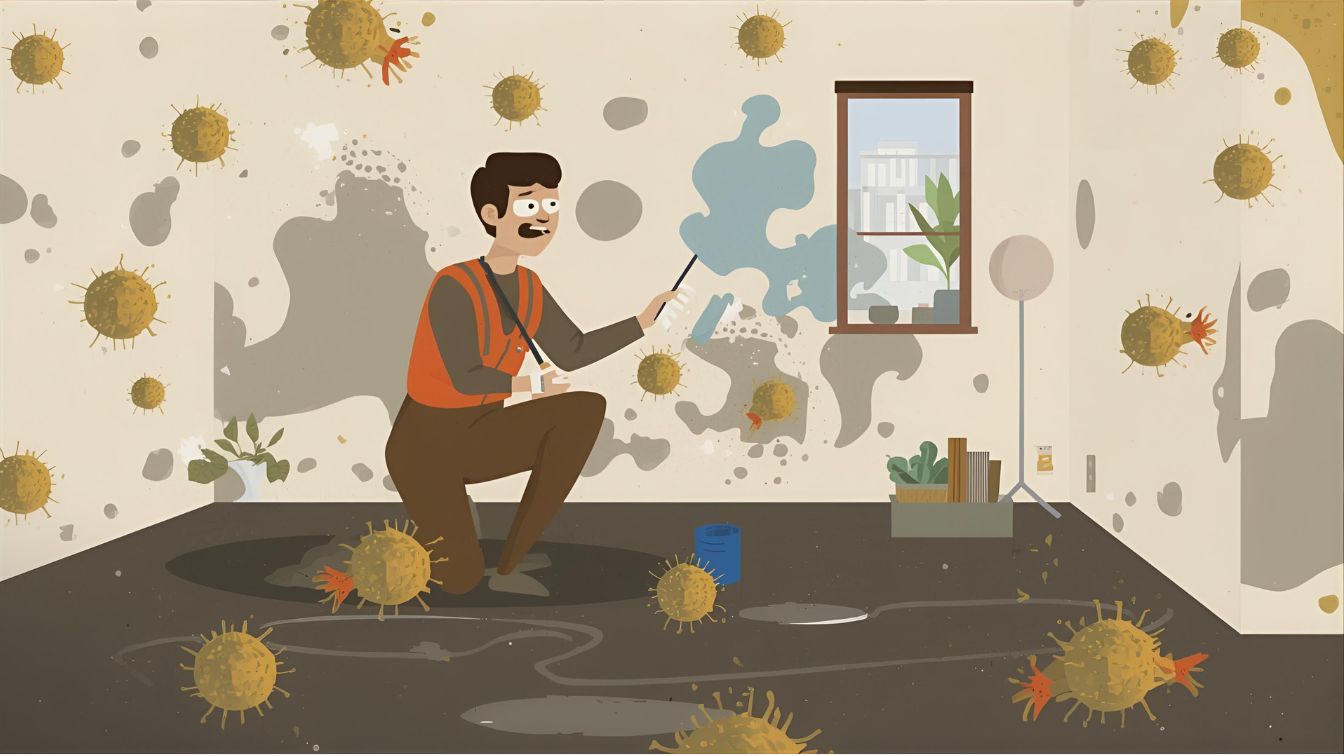
Indoor mold is a hidden hazard that can silently impact the health of everyone living or working in the affected space. Mold thrives in damp and poorly ventilated areas, feeding on moisture and organic materials such as wood, drywall, or fabric. While some molds are relatively harmless, many types release spores that can trigger a wide range of health problems. Understanding the risks associated with indoor mold is essential for maintaining a healthy living environment.
How Does Mold Enter and Spread Indoors?
Mold spores are microscopic and travel easily through the air. They can enter homes through open windows, doors, or even on clothing and pets. Once inside, mold settles in areas with moisture or humidity. Bathrooms, basements, kitchens, and areas around leaking pipes or roofs are particularly susceptible. Once mold establishes itself, it reproduces rapidly, often creating hidden colonies behind walls, under carpets, or inside HVAC systems. This hidden growth is why many people are unaware of the health risks until symptoms appear.
Respiratory Problems
One of the most common health effects of indoor mold exposure is on the respiratory system. Mold spores can irritate the airways, leading to coughing, wheezing, and shortness of breath. Individuals with pre-existing respiratory conditions, such as asthma, often experience heightened symptoms during prolonged exposure. Children and the elderly are particularly vulnerable. Chronic exposure can also contribute to the development of respiratory infections, making the immune system work harder to fight off illnesses.
Allergic Reactions
Mold can trigger a range of allergic reactions that may appear immediately or develop over time. Sneezing, runny nose, itchy eyes, and skin rashes are frequent complaints. These reactions are often mistaken for seasonal allergies, making it difficult to pinpoint mold as the cause. Some people may develop hypersensitivity to certain types of mold, resulting in severe allergic responses that require medical attention. Constant exposure can gradually worsen the severity of symptoms.
Impact on the Skin
While respiratory issues are more commonly associated with mold, the skin can also be affected. Direct contact with mold or mold-contaminated surfaces can lead to rashes, itching, and irritation. Individuals with sensitive skin or pre-existing skin conditions may experience flare-ups. In rare cases, prolonged contact with certain types of mold can result in more serious skin infections. Maintaining clean and dry surfaces in living spaces is key to minimizing this risk.
Effects on Mental Health
Research suggests that mold exposure can also impact mental well-being. People living in mold-infested homes may report symptoms such as fatigue, difficulty concentrating, anxiety, and mood swings. The exact mechanism is still being studied, but it is believed that mycotoxins—chemical compounds released by some molds—may interfere with neurological functions. These effects are usually subtle at first but can accumulate over time if the source of mold is not addressed.
Weakened Immune System
Certain molds produce mycotoxins, which can be particularly harmful to individuals with weakened immune systems. Exposure may make it harder for the body to fight off infections or respond to other health challenges. Those undergoing treatments such as chemotherapy, organ transplant recipients, or people with chronic illnesses are at higher risk of experiencing severe complications. In these cases, even a small amount of mold can become a significant health concern.
Headaches and Sinus Issues
Frequent headaches, sinus congestion, and sinus infections are often reported in environments affected by mold. Mold spores can irritate the sinuses, leading to chronic inflammation and discomfort. People living in damp or poorly ventilated homes may notice recurring headaches or a sense of pressure in their sinuses, which can interfere with daily life. Addressing moisture issues and removing mold is critical to alleviating these symptoms.
Children and Vulnerable Populations
Children, the elderly, and individuals with chronic illnesses are particularly susceptible to the health risks posed by indoor mold. In children, exposure may contribute to the development of asthma, respiratory infections, or allergic reactions. Older adults may experience a decline in overall health due to weakened immune systems, while those with pre-existing conditions may see exacerbation of their symptoms. Creating a mold-free living environment is vital for protecting the health of vulnerable family members.
Preventing and Addressing Mold Growth
The most effective way to reduce the health risks associated with mold is prevention. Controlling moisture levels is key. Fixing leaks, improving ventilation, using dehumidifiers, and regularly cleaning areas prone to dampness can help keep mold at bay. It is equally important to address mold growth as soon as it is detected. Small patches may be manageable with household cleaning, but larger infestations often require professional assistance to ensure complete removal and prevent recurrence.
When to Seek Professional Help?
Persistent mold problems or widespread infestations should never be ignored. Professional mold specialists have the knowledge and equipment to identify hidden mold, remove it safely, and provide solutions to prevent future growth. Attempting to handle large mold issues without proper protection can increase health risks and may spread spores further throughout the home.
If you are concerned about mold in your home or workplace, Long Island Mold Specialist can provide expert assessment and remediation to protect your health and environment.