

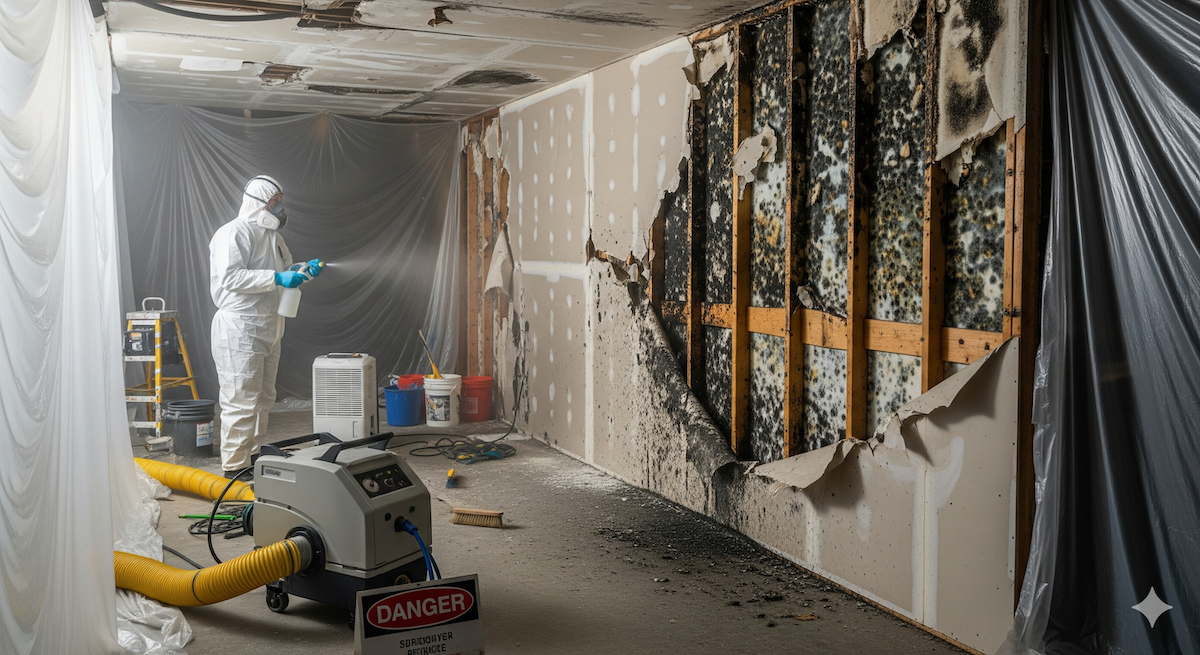
When mold starts growing inside a property, it can feel like a lot to deal with. If left untreated, it spreads quickly, lowers the quality of indoor air, damages surfaces, and is bad for health. That is why it is important to have emergency mold removal services. Professionals act quickly to stop the spread, keep people safe, and make homes and businesses safe again. When property owners suddenly have a mold problem, knowing what to expect during the process can help them make smart choices.
Why Does Mold Need to Be Taken Care of Right Away?
Mold isn’t just a problem with how things look. It grows best in wet, humid places and spreads by tiny spores that you can’t see. Mold can start to spread and cause:
- Health problems like breathing problems, allergic reactions, skin irritation, and worse asthma symptoms.
- Structural damage as mold eats things like drywall, wood, and insulation.
- Persistent odors that linger even after visible mold is removed if the root problem is not addressed.
Mold has more time to spread if treatment is delayed. Emergency services are meant to act quickly, lower risks, and keep costs down in the long run.
The First Step: Assessing the Situation
The first step is a quick inspection on the site. Mold experts know that every property is different, so they use advanced tools to figure out how bad the contamination is. People often use moisture meters, infrared cameras, and air sampling methods to find mold colonies that are hidden. At this point, the team figures out:
- The kind of mold that is there.
- The places that were hurt and how bad they were.
- The source of water that helps mold grow.
This assessment lets them make a personalized plan for fixing the problem that fits the property.
Keeping Affected Areas Safe
After the inspection is done, the next most important thing is to contain the problem. Professionals put up physical barriers around the parts of the property that are contaminated because mold spreads easily through the air. People often use plastic sheeting, sealed vents, and machines that create negative air pressure to keep spores from spreading to areas that aren’t affected.
Containment makes sure that cleanup can happen in a safe place, which lowers the risk of cross-contamination for the rest of the home or business.
How to Get Rid of Mold Safely?
The removal process starts after containment. This step is much more complicated than just cleaning mold off surfaces. Mold colonies can be hiding in walls, under carpets, or in HVAC systems. Professional remediation includes:
- When necessary, physically removing contaminated items like drywall, insulation, or carpeting.
- Using a HEPA vacuum to pick up small particles and spores.
- Cleaning and disinfecting with special antimicrobial solutions.
Everything in the affected area is either cleaned very well or thrown away if it can’t be saved. This makes sure that the mold problem doesn’t come back after the work is done.
Cleaning and Filtering the Air
Even after mold has been cleaned off visible surfaces, spores may still be in the air. To fix this, remediation teams use HEPA filters and advanced air scrubbers. During the process, these machines clean the air all the time, catching mold spores and other pollutants.
By the end of the cleanup, the air inside the building should be much cleaner, which will lower the risk of health problems for people who live there.
Taking Care of the Source of Moisture
Mold needs moisture to grow. This is why finding and fixing the source is one of the most important steps in the cleanup process. Professionals may look into:
- Leaking roofs or plumbing.
- Condensation around windows and HVAC units.
- Basements, bathrooms, and kitchens that don’t get enough air.
If these issues aren’t fixed, mold will probably come back. A complete remediation service includes advice on how to fix leaks, improve airflow, and keep the right humidity levels to stop future growth.
Testing for Clearance and Final Inspection
After the cleanup is done, there is a final check to make sure the property is safe. To make sure that mold levels are back to normal, clearance testing may involve taking samples of the air and surfaces. This step gives you peace of mind by showing that it’s safe to go back in. It also serves as documented proof for property owners that the problem was fixed by a professional.
What Makes Emergency Mold Services Different?
Regular remediation services can also deal with mold issues, but emergency services can get to you faster. After flooding, plumbing problems, or storm damage, mold can start to grow in as little as 24 to 48 hours, so it’s very important to act quickly. Some of the main benefits of emergency mold removal are:
- Immediate inspection and containment
- Quick action kept property damage to a minimum
- A quicker return to safe living or working conditions
- Less likely to have mold problems again
How to Get Ready for Emergency Mold Remediation?
There are a few things you can do to get ready when you call a mold expert for emergency service:
- Until the professionals get there, people will be kept out of the areas that are affected.
- Don’t touch mold that you can see, as this can let spores out into the air.
- Tell the remediation team about any recent leaks, floods, or water damage.
- Don’t let pets or family members into areas that are contaminated.
Being proactive helps the team respond better and speeds up the whole remediation process.
In Conclusion
Cleaning up visible mold is only part of emergency mold remediation. It is a long process that includes testing, containment, safe removal, air purification, moisture control, and final testing. Property owners can protect their health, limit long-term damage, and make their spaces safe again by acting quickly and hiring trained professionals.
If you have a sudden mold problem, don’t wait for it to get worse. For dependable emergency mold removal services, get in touch with Long Island Mold Specialist. Our team has the skills and tools to handle even the most difficult situations, so your property will be safe, clean, and mold-free again.