

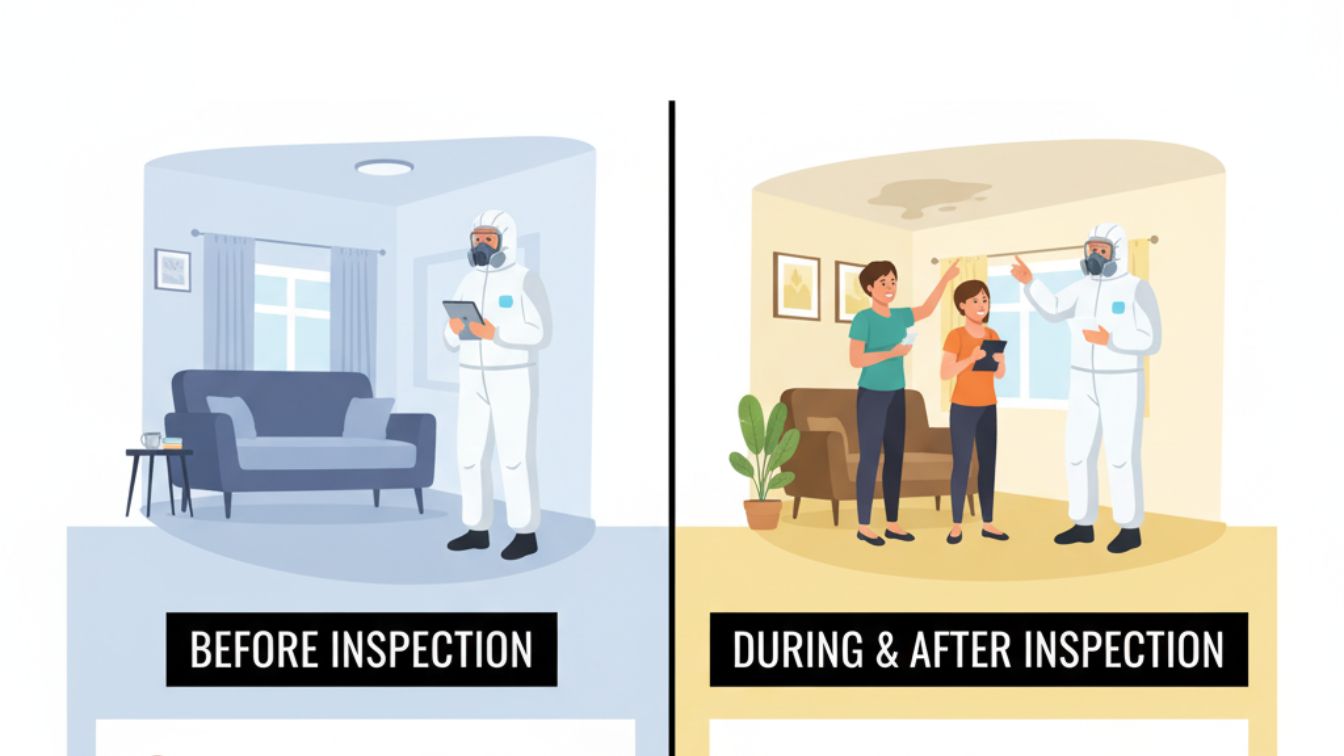
Mold can quietly take over your home or office, often leaving behind hidden damage and potential health risks. While some mold growth is visible, much of it thrives in places you cannot easily see, such as behind walls, under carpets, or inside air ducts. If you suspect mold in your property, hiring a professional mold inspector is the safest way to understand the scope of the problem and address it effectively. Proper preparation can make the inspection process smoother, faster, and more accurate.
Understand the Purpose of the Inspection
Before scheduling a mold inspection, it’s important to know what to expect. Professional mold inspectors assess both visible and hidden areas of your property, checking for signs of moisture and mold growth. They use specialized tools such as moisture meters, infrared cameras, and air sampling devices to identify problem areas. Your preparation should focus on helping the inspector access all necessary spaces and providing any relevant history of leaks, water damage, or unusual odors.
Knowing the inspector’s role also helps you ask the right questions. For instance, you might want to know whether the inspection includes lab testing or if it only identifies problem areas visually. Clarifying these details ahead of time ensures that you get the most value from the service.
Gather Relevant Information
Professional mold inspectors often rely on property history to pinpoint potential problem areas. Make a list of past leaks, plumbing issues, roof damage, or flooding events. Note any areas where water tends to collect, such as basements, attics, or crawl spaces. Include any health symptoms you or family members may have experienced, such as allergies, coughing, or skin irritation, as this can help the inspector understand the severity and location of potential mold growth.
Having this information ready before the inspection allows the professional to focus on high-risk areas efficiently. It also ensures nothing important is overlooked, giving you a clearer picture of your property’s condition.
Clear Access to Key Areas
Mold can hide in hard-to-reach places, so inspectors need full access to these locations. Before the appointment, remove furniture, stored items, or clutter from areas such as closets, crawl spaces, basements, and attics. Make sure doors, panels, and vents are unobstructed, and provide safe access to ladders or elevated spaces.
Clearing access not only saves time but also ensures that the inspection is thorough. Inspectors can check walls, ceilings, floors, and hidden corners without restrictions, reducing the chances of mold going undetected.
Maintain Safety and Health Precautions
Mold exposure can cause health issues, especially for those with allergies or respiratory conditions. While inspectors take safety precautions during the assessment, it’s wise to prepare your household as well. Remove pets from inspection areas and keep children away from potentially contaminated zones. Ensure proper ventilation in rooms that might have mold to minimize airborne spores during the inspection.
Additionally, inform the inspector about any specific sensitivities or health concerns in your household. This allows them to take extra precautions, such as using additional protective equipment or avoiding certain areas.
Make a List of Questions
Preparing questions in advance helps you get the most out of the inspection. Some key questions to consider include:
- How extensive is the mold growth?
- What type of mold is present?
- How did the mold likely develop?
- What are the recommended steps for removal and prevention?
- Can the mold impact my property’s value or structural integrity?
Writing down your questions ensures that you don’t forget any important concerns during the appointment. It also demonstrates that you are proactive about addressing mold issues, which can help the inspector provide more focused guidance.
Ensure Proper Lighting and Accessibility
Good lighting can significantly affect the accuracy of a mold inspection. Inspectors may use flashlights or portable lighting, but having well-lit areas in advance makes the process faster and safer. Replace burnt-out bulbs and open curtains or blinds to allow natural light where possible.
Accessibility goes beyond removing furniture. Make sure pathways are clear, stairs are stable, and there are no obstacles that could slow down the inspection. Providing a safe and convenient environment allows inspectors to work efficiently and reduces the risk of accidents.
Prepare for Potential Testing
Some mold inspections include air or surface sampling to identify the type of mold present. These tests are especially important if mold growth is suspected but not visible. Preparing for testing may involve keeping certain areas undisturbed prior to the appointment. Avoid cleaning, vacuuming, or moving items in areas that might be tested, as this could affect the accuracy of results.
If you know which rooms have had water damage or a history of moisture issues, inform the inspector so that they can focus their sampling there. This helps pinpoint the exact problem and provides actionable information for remediation.
Plan for Follow-Up Actions
A mold inspection is only the first step. Once the inspection is complete, the inspector will provide a detailed report outlining their findings, recommended remediation steps, and prevention strategies. Preparing mentally and logistically for potential remediation is important. This could involve arranging temporary living spaces, contacting mold remediation professionals, or planning repairs to fix water leaks.
Understanding the likely next steps helps you act quickly and prevent further damage. Prompt response after an inspection can reduce health risks, structural issues, and financial costs.
Keep Records Organized
Documentation is crucial when dealing with mold issues. Keep all inspection reports, photos, and correspondence with the inspector in a dedicated folder. This record can be helpful if you plan to sell the property, file an insurance claim, or need to reference past water damage.
Organized records also allow you to track improvements or changes in your property over time, ensuring that mold issues do not recur.
Stay Calm and Cooperative
Finally, approaching the inspection with a calm and cooperative mindset makes the process smoother for both you and the inspector. Be available to provide information, answer questions, and clarify concerns. Inspectors work best in an environment where homeowners are cooperative and proactive.
Patience is key, as thorough inspections can take several hours depending on the size of your property and the complexity of the problem. Remember that the goal is to get a complete and accurate assessment to protect your property and health.
Concluding Note
Preparing for a professional mold inspection does not need to be overwhelming. By understanding the inspection process, gathering relevant information, clearing access, and planning for follow-up actions, you can ensure a thorough and efficient assessment. If you suspect mold or have a history of water damage, professional guidance is the safest approach. For expert mold inspection and remediation services, Long Island Mold Specialist can provide comprehensive solutions to keep your property safe and healthy.