

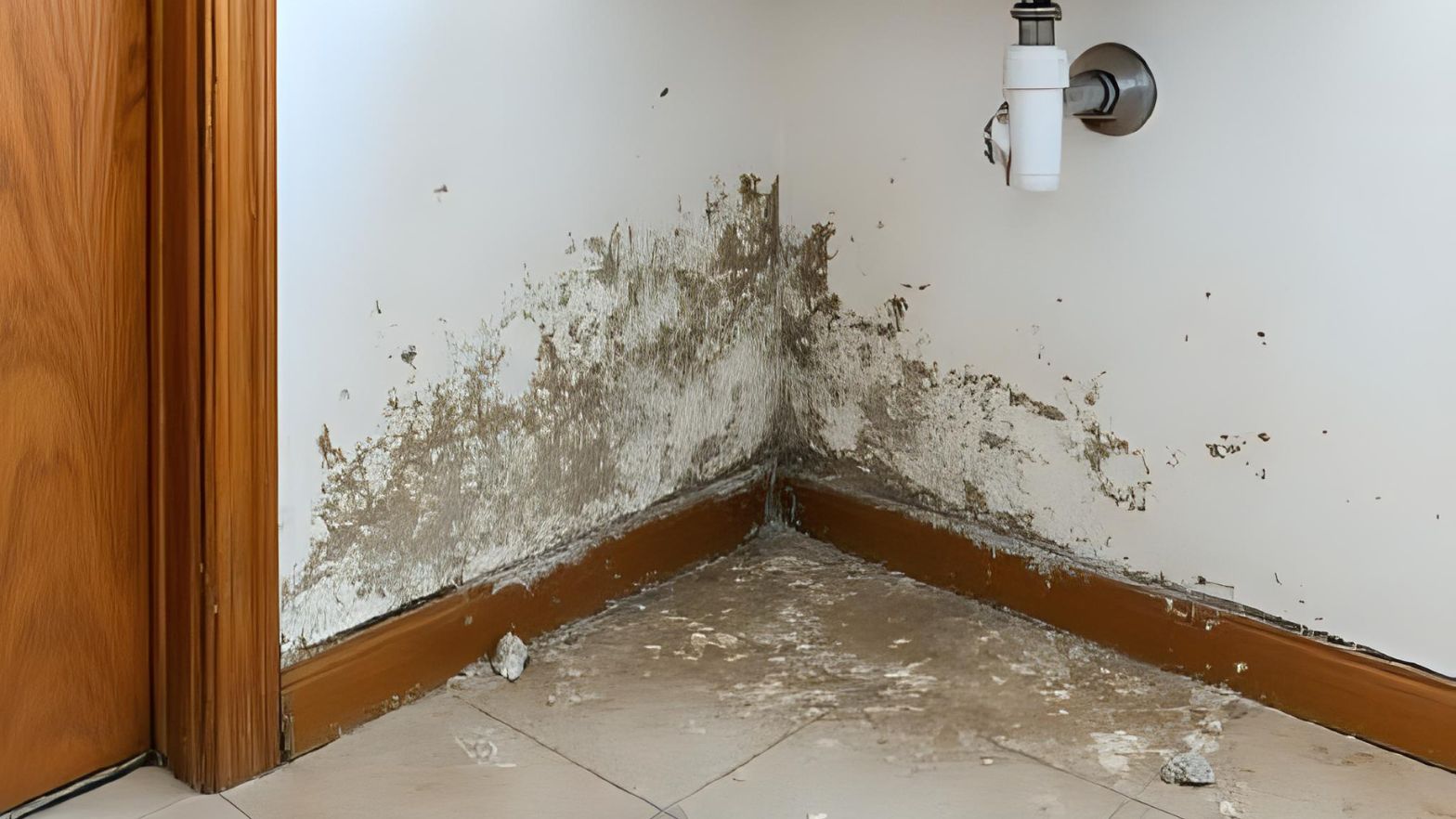
The air we breathe inside our homes often feels clean, safe, and controlled, a stark contrast to the dust and pollen of the world outside. We take great care to sweep, mop, and polish the visible surfaces, feeling a sense of accomplishment when everything shines. Yet, a silent, pervasive threat exists, thriving in the shadows and requiring only moisture and a food source to establish itself. That threat is mold, and its preferred hiding places are often the very spots we forget to check.
The problem with mold is that its signs can be subtle. Perhaps a persistent musty smell hangs in the air, or a family member deals with unexplained, ongoing congestion and irritation. These are the whispers of a larger issue. True safety and comfort at home demand a comprehensive search, moving beyond the casual glance and into the overlooked, neglected spaces.
We must become detectives in our own dwellings, seeking out the moist, dark havens that become mold’s breeding ground. This journey into the hidden architecture of your home may reveal that some of the most common and essential household components harbor the greatest risks.
The Silent Water Carriers: Behind and Under Appliances
Kitchens and laundry rooms are areas of high water use, making them prime territory for moisture-related issues. The real danger here lies with the appliances that handle water every day. The refrigerator, the dishwasher, and the washing machine all have hoses, gaskets, and drain pans that carry the constant flow of liquid. Over years of use, these connections can develop small leaks, drips, or condensation points that go unnoticed because the appliances are rarely moved.
Consider the refrigerator. Its condensation pan, located underneath the unit, collects water that evaporates. If this pan is cracked or dirty, or if the drainage system clogs, moisture can spill onto the floor beneath the appliance and wick up into the walls and subfloor.
Similarly, the rubber gasket around a washing machine door retains small amounts of water, especially in front-loading models. If not wiped dry after each use, the dark, contained space quickly fosters a slick layer of mildew that evolves into more serious mold growth, silently contaminating the air every time the door is opened.
A forgotten hose connection behind the dishwasher can create a persistent, slow leak directly onto the wallboard, where mold can flourish undetected for months until a serious structural or air quality problem arises. The solution is simple but often ignored: periodically pull out these heavy appliances and examine the floor, wall, and connections behind them.
The Cold Corner: Inside Heating, Ventilation, and Air Conditioning Systems
The HVAC system is essentially the lungs of the home, circulating air throughout every room. When this system becomes contaminated, the problem is no longer localized; it is distributed everywhere. The main areas of concern are the drip pans, the coils, and the ductwork.
The evaporator coil in an air conditioner cools the air and simultaneously pulls moisture from it. This condensed water should drain away into a pan and then out through a dedicated line. When that drain line clogs with dirt, sediment, or biological debris, water backs up into the pan. This stagnant water creates an ideal environment for mold to colonize the pan and the coil itself. Once established, the mold spores are then blown directly into the living spaces, often causing widespread and mysterious respiratory issues for the occupants.
The ductwork, especially insulated or flexible ducts, can also harbor growth. Leaky ducts drawing in humid air from unconditioned spaces like crawl spaces or attics can introduce moisture. If that insulation gets wet from a roof leak or a condensation issue, it becomes a saturated food source for fungal growth. Since the ducts run through the walls and ceilings, this mold is entirely hidden from view.
The Hidden Dimension: Behind Walls and Under Flooring
Visible mold on a bathroom ceiling or basement wall is obvious, but the real structural threats exist where we cannot easily look. The space behind drywall is a classic example. Any external water intrusion, such as a roof leak, a foundation crack, or a plumbing failure inside the wall, turns the gypsum and paper backing of the drywall into a perfect organic food source. The mold growth inside the wall cavity can become extensive long before it ever begins to push through the paint or wallpaper on the interior. The only signs may be paint bubbling, a slight discoloration, or that signature earthy, damp odor.
The flooring structure also presents a vast, often overlooked area. Carpeting, especially over concrete slabs or in basements, wicks up moisture from the substrate or from spills that were not completely dried. The padding and the carpet fibers themselves hold that moisture close to the subfloor, facilitating growth. Even hardwood flooring can hide issues. If a slow pipe leak occurs beneath the floorboards, the moisture saturates the wood from below. By the time the planks begin to buckle or noticeably stain, the fungal infestation in the subfloor and joists beneath is likely widespread and serious, requiring extensive and professional remediation.
Forgotten Storage Spaces: Attics and Closets
Attics and closets are often treated as simple storage areas and are generally the least visited parts of the home. This lack of attention makes them excellent hiding places for mold.
Attics, being at the top of the house, are susceptible to two primary issues: roof leaks and poor ventilation. A small, slow roof leak may not be noticeable on the ceiling below for a long time, but it will saturate the wood sheathing and insulation in the attic. The attic environment is also subject to extreme temperature swings.
If the space is poorly vented, warm, moist air rising from the main living spaces condenses on the cold underside of the roof sheathing during the winter, coating the wooden structure with a film of water, prime mold conditions. Attic mold can quietly destroy the roof structure over the years.
Closets, especially those located on exterior walls or in corners, suffer from a lack of air circulation. Piling clothes, boxes, and miscellaneous items against the walls creates cold spots where condensation forms easily. Furthermore, the stored items themselves provide a food source. Clothes, shoes, paper, and cardboard all draw in and hold moisture, quickly developing mold, which then transfers to the wall behind the items.
Conclusion: The Commitment to Vigilance
Addressing the mold problem is not just about cleaning a surface; it is about finding the water source and making structural repairs. If you suspect this unseen enemy has taken root in your home, particularly in those sneaky, high-moisture locations, finding a qualified professional is the necessary next step to restore the health of your indoor environment.
Would you like an expert inspection of those hard-to-reach moisture zones? Contact a Long Island Mold Specialist today to schedule a comprehensive home assessment.